
©SAFE Conversations
Equipping Every Adult in Your School to Notice, Listen and Act

©SAFE Conversations
This foundational course equips all your staff with the practical skills and confidence to engage sensitively with students who are upset or emotionally dysregulated. It ensures every interaction fosters trust while maintaining professional boundaries and providing the tools to recognise when to escalate concerns to the DSL or guide a student to make a report themselves.
The ©SAFE Programme
Two Programmes. One Approach. No Student Missed.
©SAFE Conversations equips all school staff to have safe and appropriate safeguarding conversations and to recognise when a concern needs to go further.
©SAFE Interviewing provides the advanced skills required by those responsible for conducting safeguarding disucssions and managing complex child protection situations.
What
Focusing on trauma-sensitive communication and emotional safety:
- Essential Communication Skills: Learning to facilitate child-centred conversations where students feel heard, validated, and supported.
- Recognising and Responding: Practical guidance on identifying when a student is in distress and how to respond in a safe, respectful environment.
- Escalation Protocols: Gaining the confidence to know exactly when and how to report concerns to the Designated Safeguarding Lead (DSL).
- Empowering Student Voice: Techniques to guide students in making their own reports or leading conversations about their needs.
- Trauma-Informed Practice: Applying core principles of effective communication to reduce student anxiety and foster a culture of trust.
HOW
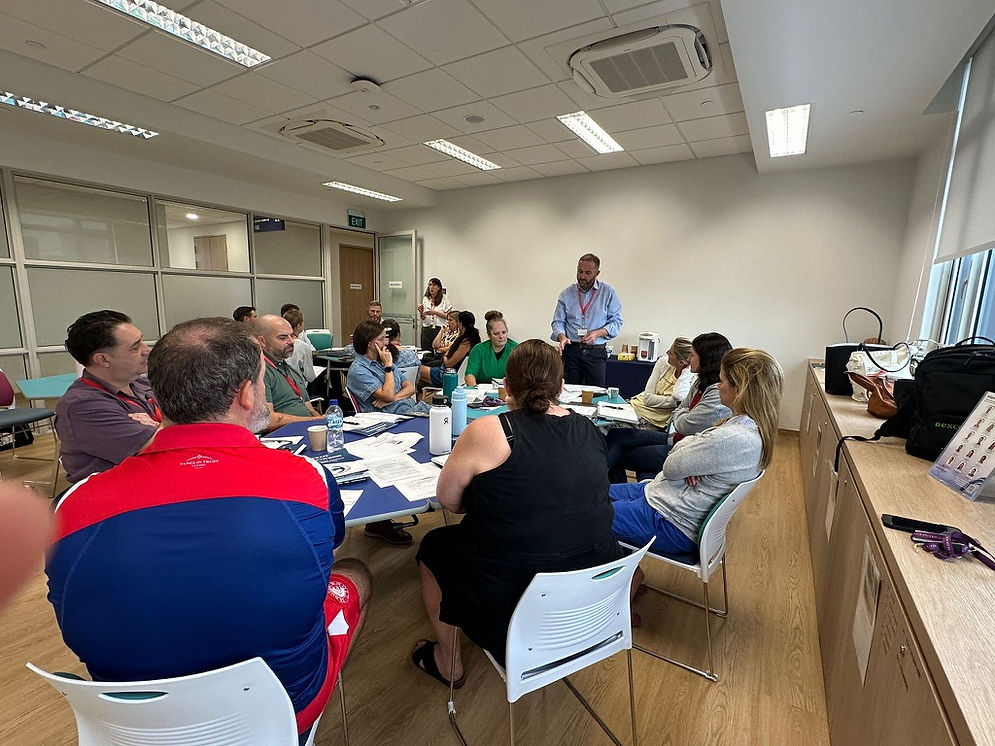
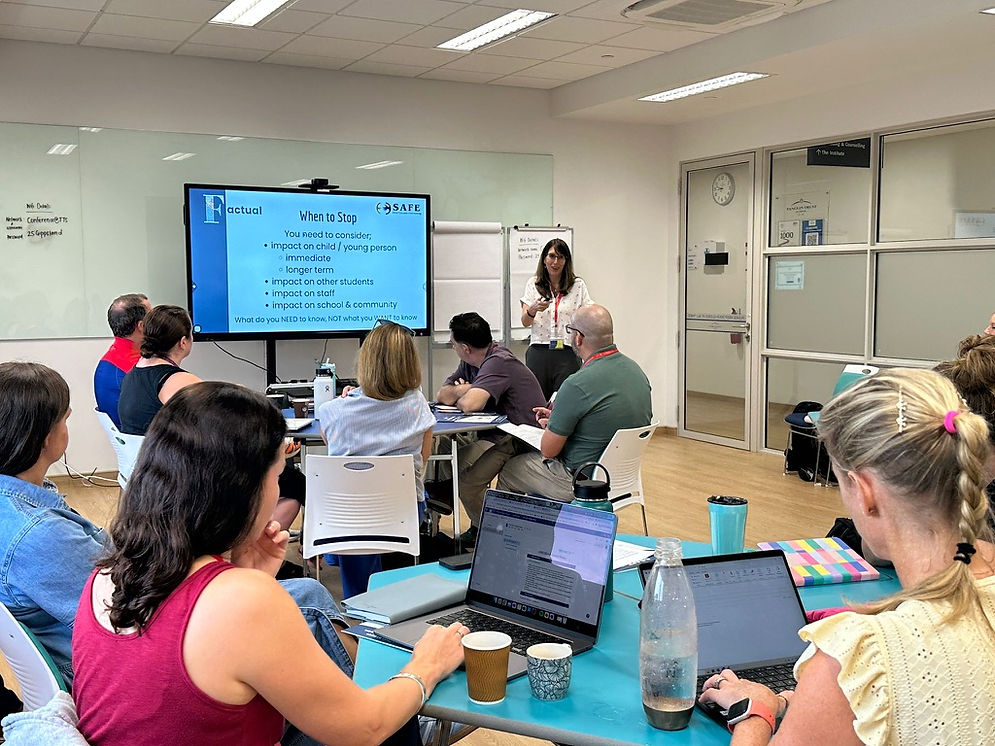
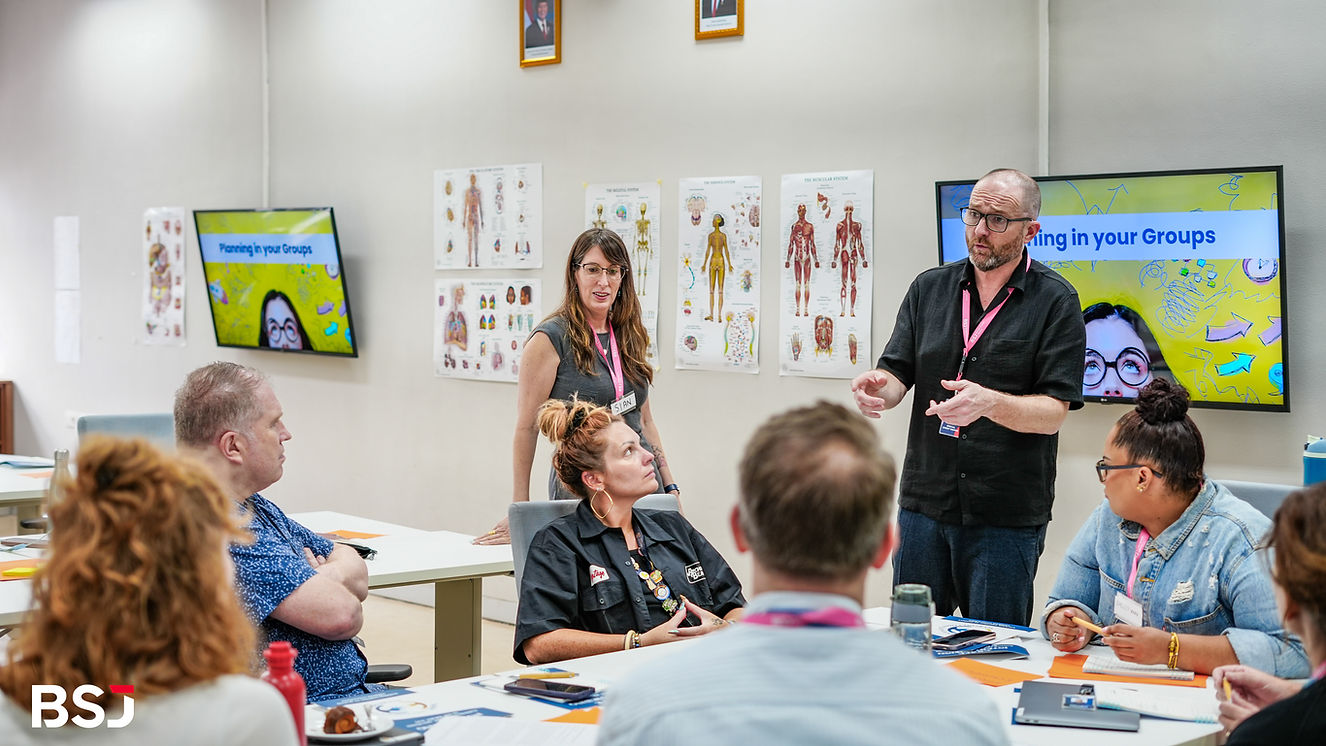
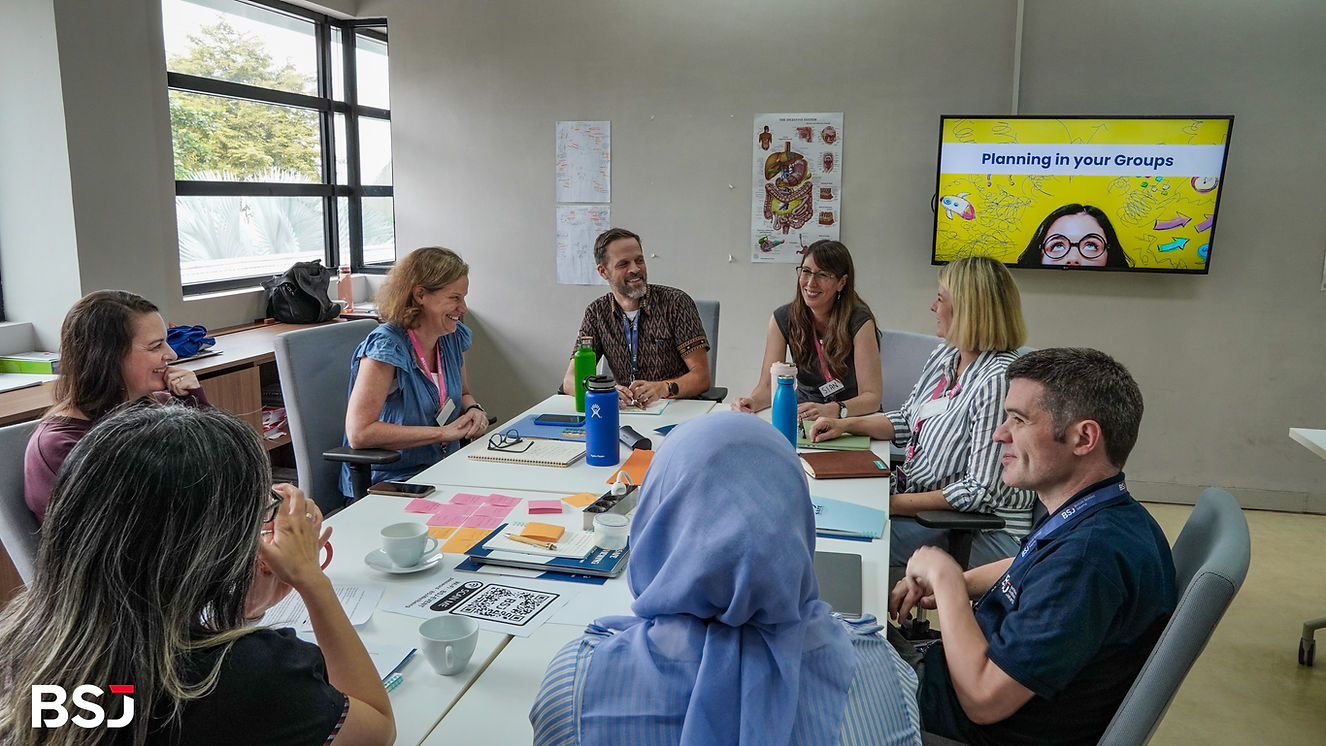
Format: Safeguarding specialist on-site. Half Day
Option of School Facilitated delivery
Duration: 2–3 hours.
Certification: CPD-certified. Certification valid for 2 years
Fee: £45 per person
Why This Matters
When staff don’t feel confident checking in, concerns go unnoticed. When they don’t know where the threshold is, they either dig too deep or hold back information that a Safeguarding Lead needs to hear.
©SAFE Conversations addresses both risks:
- Staff who don’t teach a student, or work in a different part of the school, often hold back from checking in at all.
- Staff who know a student well can unintentionally overstep, asking too much or deciding to manage the situation themselves rather than passing it on.
- Without a clear framework, even well-meaning conversations can delay intervention or compromise what happens next.
Every adult in your school has a safeguarding role. This training makes sure they can fulfil it.
What Our Participants Say

"A really helpful course, well structured and resourced, giving new thinking / ideas and practices, and the space to refine and practice with peers."
Kate
VP, UWCSEA EAST
Excellent course. Hugely beneficial as a pastoral middle leader and accessible for all levels of safeguarding experience. Manageable steps to follow and clear strategies to apply. Thank you!
Anna Brutti
Tanglin Trust School, Singapore
"Very useful and thought provoking course, the content was well planned and delivered. There were different elements to keep the course engaging & I will definitely be able to use the learning in the future. Thanks so much!"
Sally Rebecca Moulds
Head of Primary, The British School Kathmandu
"An excellent, thought provoking safeguarding course."
Chris Timms
Deputy head teacher at DCSG
Become a ©SAFE Interviewing Host School.
Train Your Team. Lead Your Community.
Hosting ©SAFE Interviewing on-site is the most effective way to train your whole safeguarding team together, in your own context and with your own challenges in mind.
Schools can host a cohort of between 10 and 28 participants. Your group doesn’t need to fill all the places – we welcome participants from other schools to join alongside your team.
We take care of everything: external participant invoicing, logistics, communications and certificates. All your school needs to do is spread the word and provide a suitable space.

Developed by Leading Interviewing and Safeguarding Specialists
©SAFE Interviewing was created by a multidisciplinary team with extensive experience across child protection, forensic interviewing, social work, policing, and investigative psychology.
Built on decades of frontline experience and international best practice, this evidence-based methodology is tailored specifically for the practical demands of educational settings.